The Gospel of Sri Ramakrishna: Summary and Key Parables
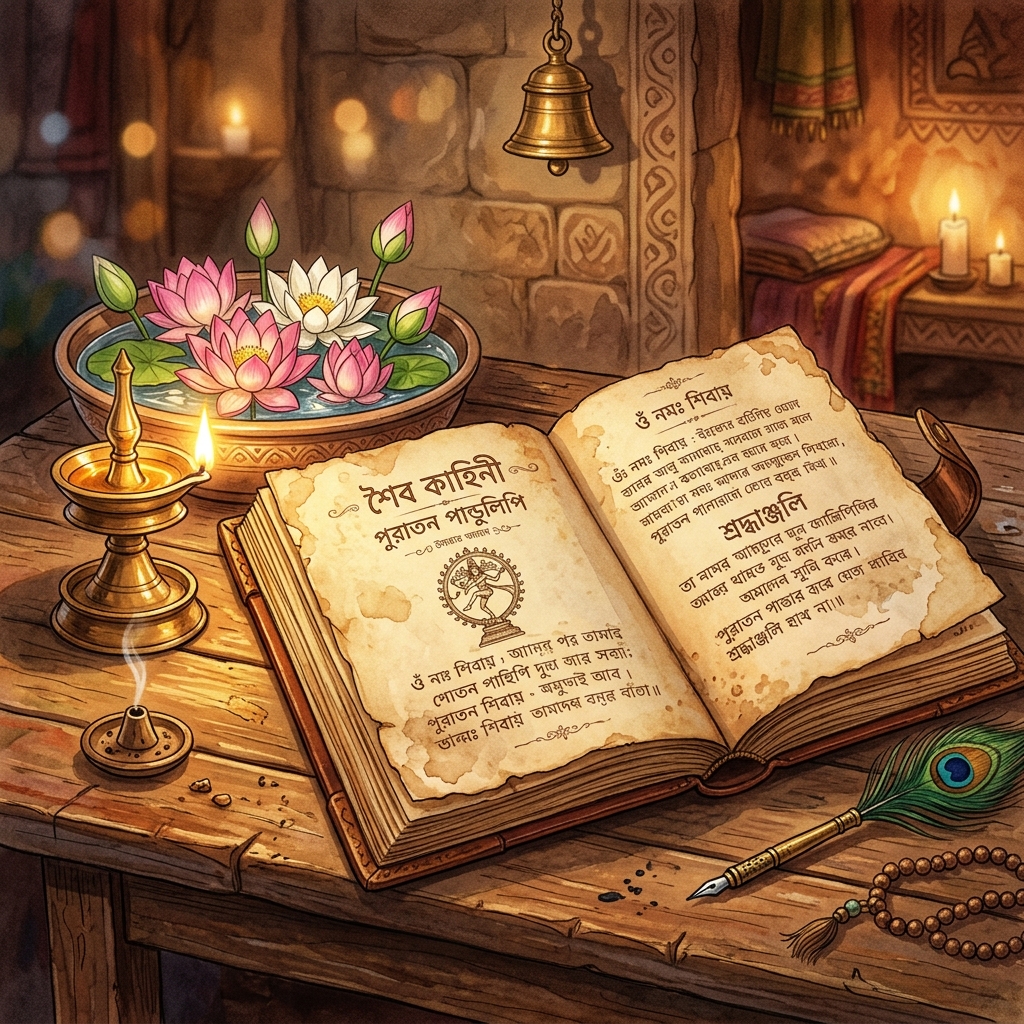
Few spiritual texts in the modern era possess the charm, authenticity, and profound depth of The Gospel of Sri Ramakrishna (originally written in Bengali as Sri Sri Ramakrishna Kathamrita). Translated into English by Swami Nikhilananda, this book is considered a spiritual classic worldwide.
But what exactly is the Gospel, and why is it so revered? Here is a brief summary and a look at some of its most famous teachings.
Who Wrote the Gospel?
The Gospel was written by Mahendranath Gupta, who modestly used the pseudonym "M". He was a highly educated school headmaster in Kolkata who met Sri Ramakrishna in 1882. Captivated by the Master's divine presence, "M" began recording their conversations in his diary.
Unlike many ancient scriptures, the Gospel provides a virtually stenographic record of a spiritual master's daily life. It details exact dates, the people present, the songs sung, and the exact words spoken by Sri Ramakrishna. It offers an unprecedented, intimate glimpse into the life of an Avatar.
Core Themes and Summary
The Gospel does not read like a structured philosophical treatise. Instead, it flows organically, mimicking the natural rhythm of conversations in the master's room at Dakshineswar. However, several core themes consistently emerge:
- The Harmony of Religions: Sri Ramakrishna declared "Yato mat, tato path" (As many faiths, so many paths). He confirmed from direct experience that all religions lead to the same God.
- God-Realization is the Goal of Life: He repeatedly stressed that accumulating wealth and fame is pointless; the sole purpose of human birth is to realize the Divine.
- Renunciation of "Kamini-Kanchana": Translated roughly as "lust and gold," he warned spiritual seekers against the hypnotic pull of purely materialistic and sensual pursuits.
- Bhakti Yoga for the Modern Age: He advised that in the current age (Kali Yuga), the path of love and devotion (Bhakti) combined with chanting the Lord's name is the easiest path to salvation.
Famous Parables from the Gospel
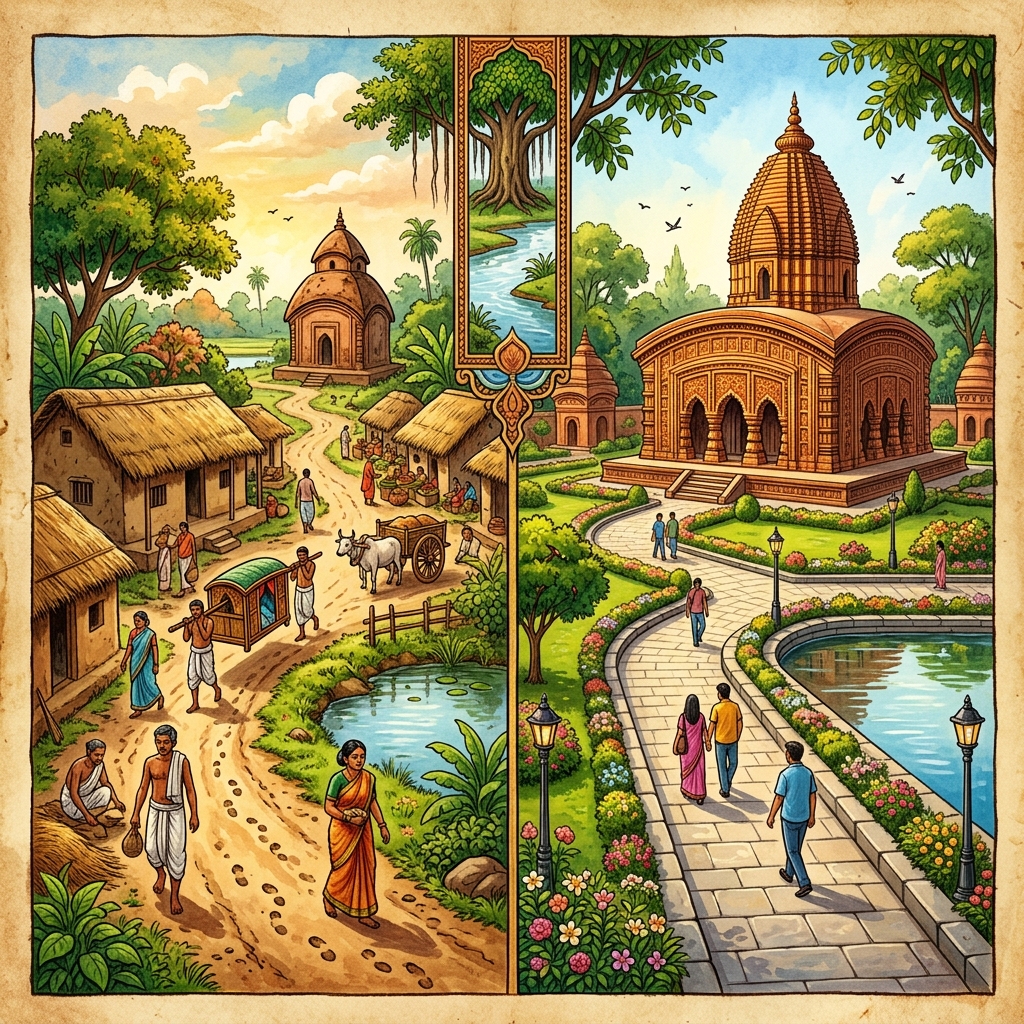
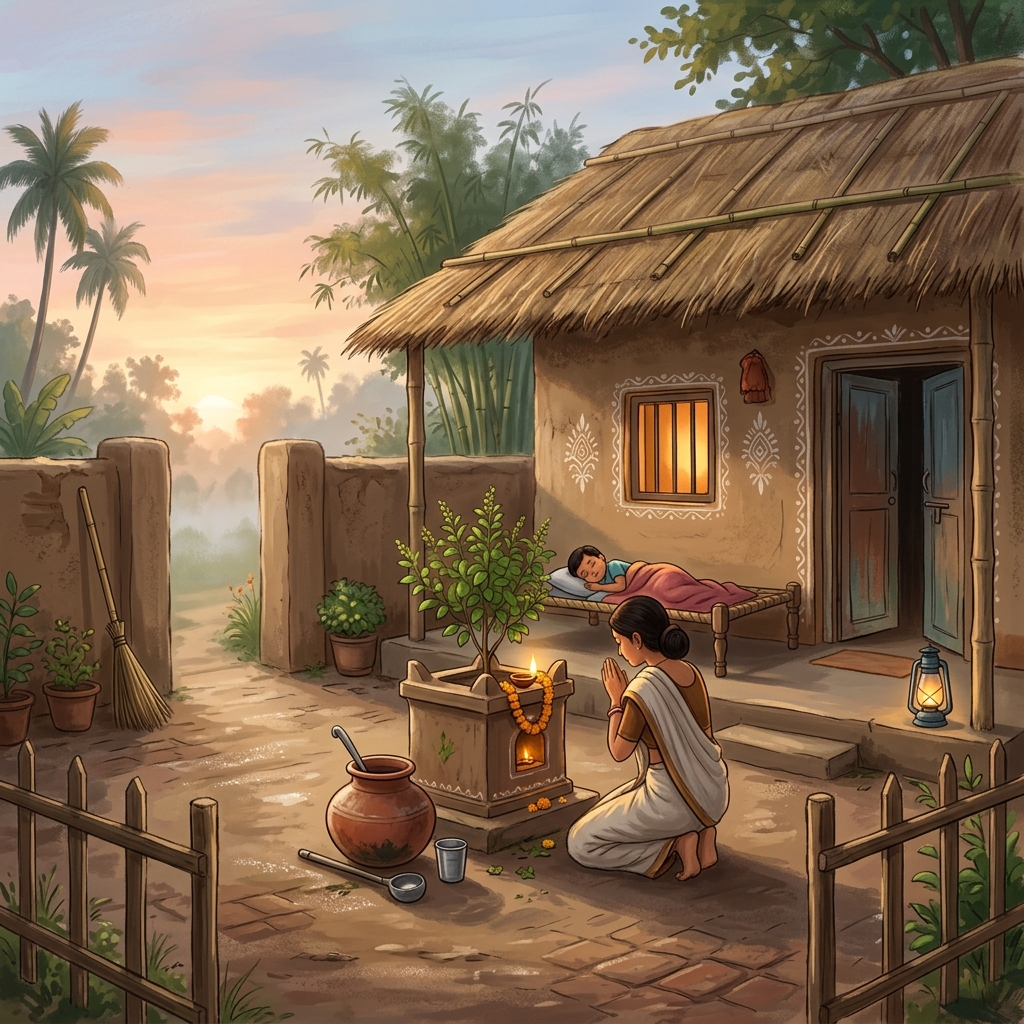
Sri Ramakrishna rarely used complex academic language. He taught through simple parables drawn from village life in Kamarpukur. Here are two of the most famous:
1. The Elephant and the Mahout
A guru taught his disciple that God is in everything. One day, a rogue elephant was charging down the street. The elephant driver (mahout) yelled at everyone to run away, but the disciple stood still, reasoning, "The elephant is God, why should I run?" The elephant picked him up and threw him aside. Bruised and battered, the disciple asked his guru why this happened. The guru replied, "It is true that the elephant is God, but the mahout is also God! Why didn't you listen to the Mahout-God who told you to run?"
Lesson: While God is in all things, we must still use common sense and discern how to interact with different manifestations of the Divine.
2. The Salt Doll
A salt doll went to measure the depth of the ocean. As soon as it stepped into the water, it began to melt. Before it could measure the depth, it completely dissolved and became one with the ocean. It could never return to tell how deep the ocean was.
Lesson: The ultimate state of Samadhi cannot be described in words. The ego completely dissolves into the Divine, leaving no "I" to report the experience.
A Book of Joy
What surprises many readers of the Gospel is the sheer amount of laughter it contains. Sri Ramakrishna was full of joy, constantly joking, singing, and mimicking people. The Gospel proves that true spirituality is not dry or depressing, but an ocean of eternal bliss.
Step Into the Gospel
The parables Sri Ramakrishna shared were deeply inspired by his childhood in Kamarpukur. Plan a trip to see the very fields and ponds he spoke of.