Tarakeswar Shiva Temple Travel Guide: Complete 2026 Visitor Guide
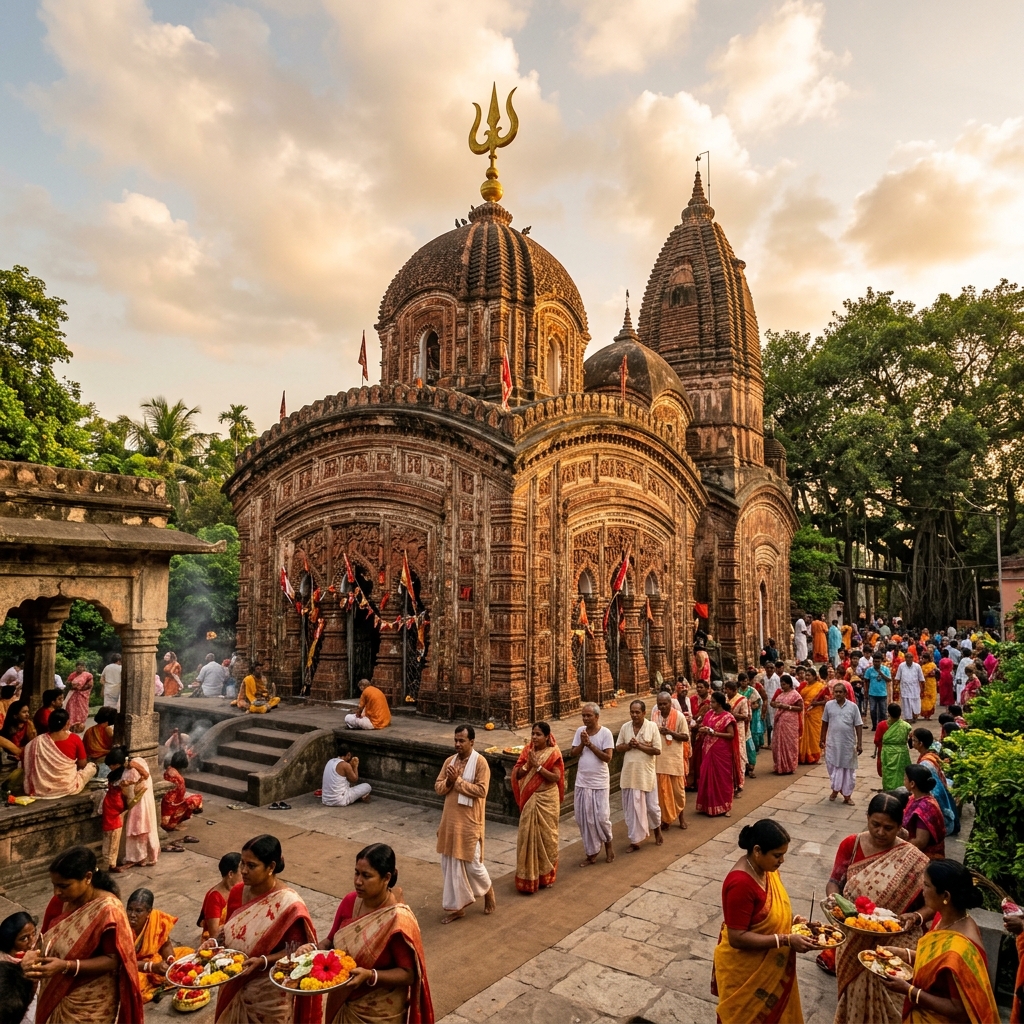
Nestled in the heart of the Hooghly district in West Bengal, the Tarakeswar Shiva Temple stands as a monumental pillar of faith, heritage, and spiritual solace. Dedicated to Baba Taraknath, a self-manifested (Swayambhu) form of Lord Shiva, this sacred shrine is one of the most revered pilgrimage destinations in Eastern India. Every year, millions of saffron-clad devotees, spiritual seekers, and heritage enthusiasts travel from Kolkata and various corners of the country to offer their prayers, seek divine blessings, and experience the transcendental energy that permeates this historic town.
For travelers planning a weekend getaway or a dedicated spiritual journey from Kolkata, Tarakeswar offers the perfect blend of profound devotion and rich cultural history. Whether you are walking barefoot as part of the holy Shravani Mela or taking a convenient train ride for a peaceful day trip, navigating your visit with the right information ensures a smooth and fulfilling experience. This comprehensive Tarakeswar Shiva Temple travel guide provides you with everything you need to know, including detailed history, opening hours, transport logistics, budget accommodation options, and neighboring attractions to elevate your travel itinerary.
History, Mythological Background, and Spiritual Significance
The origin of the Tarakeswar Shiva Temple is steeped in beautiful legends and historical accounts dating back to the early 18th century. According to local folklore, the temple was built in 1729 AD by Raja Vishnu Das, a devout settler who had migrated from Ayodhya to West Bengal. The story goes that Vishnu Das’s brother discovered a mysterious phenomenon in the nearby forest: a cow from their household would regularly venture deep into the woods and voluntarily release her milk over a black, half-submerged stone structure. Intrigued and deeply spiritual, Vishnu Das decided to investigate the site.
That very night, Lord Shiva appeared in Vishnu Das's dream, revealing that the stone was a sacred Swayambhu Lingam (a self-manifested deity) and instructing him to clear the forest and erect a temple on that exact spot. Overjoyed by this divine revelation, the landlord constructed the original shrine, which soon grew to become the spiritual epicenter of the region. The deity was named Baba Taraknath, symbolizing Lord Shiva as the savior who guides souls across the ocean of worldly existence (Samsara).
Architecturally, the temple is a classic example of the traditional Bengal Atchala style (eight-roofed structure) featuring a curved cornice and a spacious assembly hall (Natmandir) in front. Over the centuries, the temple complex has undergone several renovations, but it has beautifully retained its ancient charm and mystical ambiance. The spiritual significance of the temple is further elevated by the holy Dudhpukur Tank, a large pond located adjacent to the main shrine. Devotees believe that the water of Dudhpukur possesses medicinal properties and taking a holy dip here before entering the sanctum sanctorum purifies the body and mind, fulfilling the deepest wishes of the pilgrims.
What to See and Key Festivals in Tarakeswar
A visit to Tarakeswar is not just about standing in a queue for darshan; it is an immersive experience where you witness the vibrant tapestry of Hindu rituals and seasonal celebrations. Here are the primary attractions and events that you must include in your sightseeing itinerary:
1. The Garbhagriha (Sanctum Sanctorum)
The heart of the temple houses the sacred Shiva Lingam, which remains partially submerged in water. Pilgrims offer Gangajal (holy water from the Ganges), milk, bael leaves (bilva patra), and seasonal flowers. The atmosphere inside the temple is electrified by the continuous chanting of "Om Namah Shivaya" and the scent of incense and camphor.
2. The Holy Dudhpukur Tank
Located on the northern side of the temple, this large water body is central to the temple's rituals. Devotees gather on the steps (ghats) to perform ablutions. It is customary to take a dip here, carry water in small copper vessels, and walk towards the main shrine to pour it over the deity.
3. Shravani Mela (July – August)
During the auspicious Hindu month of Shravan, Tarakeswar transforms into a sea of saffron. Millions of pilgrims, known as Bol Bam devotees, walk barefoot from Nimtola Ghat in Kolkata or Sheoraphuli Ghat (a distance of nearly 38 km) carrying decorated bamboo poles (Kanwars) containing holy Ganges water. This vibrant, high-energy festival is a remarkable sight and showcases the ultimate peaks of human faith and endurance.
4. Maha Shivaratri (February – March)
Maha Shivaratri is celebrated with grandeur and deep solemnity at Tarakeswar. The temple remains open throughout the night, allowing lakhs of devotees to perform the four-quarter night-long pujas. A massive spiritual fair is organized around the temple grounds, featuring traditional handicrafts, local sweets, and cultural performances, making it an excellent time for cultural and heritage tourism.
5. Gajan and Charak Festival (Mid-April)
Marking the end of the Bengali calendar year (Chaitra Sankranti), the Gajan festival is another major attraction. Devotees take temporary vows of asceticism (becoming Gajan Sannyasis) and perform spectacular, often gravity-defying penances. The festival culminates in the Charak Puja, a fascinating ritual involving high-altitude spinning structures that attract photographers and cultural anthropologists from all over the world.
How to Reach Tarakeswar from Kolkata
Tarakeswar is highly accessible from Kolkata, making it one of the most popular weekend day-trip destinations. Depending on your travel preferences, budget, and comfort, you can choose from multiple transport modes:
Travel Options at a Glance
| Mode of Transport | Route / Details | Approx. Time | Cost (INR) |
|---|---|---|---|
| By Local Train | Howrah (HWH) to Tarakeswar (TAK) Direct Local Trains | 1.5 Hours | ₹15 – ₹30 |
| By Car / Private Cab | Kolkata via Durgapur Expressway (NH19) & Ahilyabai Holkar Road | 2 Hours | ₹2,500 – ₹3,500 |
| By Bus | SBSTC & Private buses from Esplanade / Karunamoyee / Howrah Bus Terminus | 2.5 Hours | ₹80 – ₹150 |
Reaching by Local Train (Highly Recommended)
Taking a train is the most economical and efficient way to reach Tarakeswar. Regular direct local trains run from Howrah Station to Tarakeswar Station starting from the early hours of the morning. Key trains include the Tarakeswar Local, Arambagh Local, and Goghat Local. Once you deboard at Tarakeswar railway station, the temple is approximately 1 kilometer away. You can easily take a colorful, environment-friendly eco-rickshaw (locally known as a Toto) or a cycle rickshaw, which will drop you at the temple gates in less than 10 minutes for a nominal fare of ₹10 per head.
Reaching by Road
If you prefer a comfortable private road trip with your family, you can hire a car rental or book a private taxi from Kolkata. The route is scenic and runs through the fertile agricultural plains of Hooghly. Drive along the Durgapur Expressway (NH19) up to Dankuni, and then take the Baidyabati-Tarakeswar Road or the Ahilyabai Holkar Road. The roads are well-maintained and offer several premium highway dhabas and family restaurants perfect for a delicious breakfast stop of hot kochuris and mishti.
Best Time to Visit Tarakeswar
While the temple is open throughout the year, the experience of your trip will vary significantly depending on the season and ongoing festivals. To make the most of your journey, plan your trip according to these guidelines:
October to February (Winter Season): This is the absolute best time for general tourism and family trips. The weather is cool, pleasant, and perfect for walking around the temple complex and exploring nearby sights without the scorching Bengal summer heat. Temperatures range from a comfortable 12°C to 25°C.
July to August (Monsoon & Shravani Mela): If you are looking for a deeply spiritual, raw devotional experience, visit during the Shravan month. However, be prepared for massive crowds, long queues, and rainy weather. It is highly recommended to avoid weekends during this month if you are traveling with children or senior citizens.
March to June (Summer Season): Summers in southern West Bengal can be hot and humid, with temperatures reaching up to 40°C. If you are visiting during these months, try to arrive at the temple during the early morning hours (between 6:00 AM and 9:00 AM) or late afternoon to avoid the intense heat.
Pro-Tip for Quiet Darshan: Weekends (Saturdays and Sundays) and Mondays are traditionally dedicated to Lord Shiva and see a huge surge in local footfall. If you want a peaceful darshan with minimal waiting time, try to schedule your visit on a Tuesday, Wednesday, or Thursday.
Where to Stay Nearby: Accommodation Options
Tarakeswar offers a wide range of accommodation choices catering to different budgets. However, keep in mind that most hotels here offer basic, clean, and comfortable amenities rather than high-end luxury. Here are the top lodging options to consider:
1. Tarakeswar Municipality Guest Houses
Managed by the local municipality, these guest houses offer highly affordable, hygienic rooms and dormitory facilities. They are located within walking distance of the temple and are perfect for budget-conscious families. Booking can be done upon arrival, though rooms fill up quickly during festivals.
2. Budget Private Hotels and Lodges
Numerous private lodges are lined along the temple road and near the railway station. Options like Hotel Taraknath and Baba Loknath Lodge provide clean bedsheets, attached bathrooms, air-conditioning, and room service. Prices range from ₹800 to ₹2,500 per night depending on the season.
3. Ramakrishna Math and Ashrams
Several local ashrams and charitable trusts offer lodging for spiritual seekers. These accommodations focus on simplicity, quietude, and a peaceful atmosphere. They usually charge a nominal donation fee and serve delicious, hygienic vegetarian meals (prasad) in the afternoon.
If you are planning an extended pilgrimage across the spiritual hubs of Hooghly and Bankura, we highly recommend combining your trip with a stay at the serene Kamarpukur Ramakrishna Mission Guest House. Located just an hour's drive away, it offers a peaceful rural retreat with excellent, immaculate accommodation facilities. You can also explore our dedicated complete guide to guest houses in Kamarpukur to plan your night stays efficiently.
Nearby Places to Combine with Your Tarakeswar Trip
To maximize the value of your travel itinerary, you can easily combine your visit to Tarakeswar with several prominent historical and spiritual attractions located in the surrounding regions. These nearby places represent the rich heritage of rural Bengal and make for an outstanding 2-day travel circuit:
1. Kamarpukur (35 km away)
Kamarpukur is the sacred birthplace of the great 19th-century saint Sri Ramakrishna Paramahansa. From Tarakeswar, you can easily catch a direct bus or hire a taxi to reach Kamarpukur in about 1 hour. The serene village atmosphere, the beautifully preserved ancestral house of Sri Ramakrishna, and the majestic marble temple managed by the Ramakrishna Math offer a deeply tranquil, meditative contrast to the bustling energy of Tarakeswar. You can read our extensive guide on the birthplace of Sri Sarada Devi at Jayrambati, which is situated just 8 km further from Kamarpukur.
2. Jayrambati (43 km away)
Directly linked to Kamarpukur, Jayrambati is the holy birthplace of Holy Mother Sri Sarada Devi. The central attraction here is the Matri Mandir, built exactly on the spot where the Holy Mother was born. The white marble temple housing her beautiful oil painting is a place of profound silence, perfect for meditation and spiritual introspection.
3. Bishnupur Terracotta Temples (90 km away)
For history and art lovers, the ancient town of Bishnupur is a must-visit. Famous for its glorious Malla Dynasty heritage, exquisite terracotta carvings, pyramid-like Rasmancha, and the legendary Baluchari sarees, Bishnupur can be reached by train or car from Tarakeswar, making it a perfect extension for a 3-day West Bengal cultural tour.
4. Hangseswari Temple, Bansberia (50 km away)
Located on the banks of the Hooghly River, this unique 19th-century temple features an architectural style inspired by human anatomy and Tantric philosophy. With its 13 minarets shaped like lotus buds and a breathtaking blue neem-wood idol of Goddess Hangseswari, it is a spectacular destination for architecture enthusiasts.
Pilgrim's Tips and Pro Tips for a Safe Visit
To ensure a pleasant, stress-free, and spiritually enriching experience, keep these practical tips in mind during your trip to the Tarakeswar Shiva Temple:
- Beware of Unauthorized Middlemen: Like many popular pilgrimage spots, you may encounter local priests or middlemen (Pundas) offering "fast-track" entries or special pujas for high fees. It is best to politely decline their offers. The general queue is well-managed and moves at a steady pace.
- Dress Modestly: Keep the sacred nature of the temple in mind. Dress in modest, respectful clothing. Traditional Indian attire like sarees, salwar suits, kurtas, and dhotis are highly recommended. Avoid wearing shorts, beachwear, or highly revealing clothes.
- Keep Valuables Safe: The temple area can get extremely crowded, especially near the entrance and during festival seasons. Carry minimal cash, keep your mobile phones secure, and avoid wearing expensive gold jewelry.
- Footwear Storage: You must remove your shoes before entering the temple complex. There are designated shoe-keeping stalls run by local vendors near the entrance. They usually charge a nominal fee (₹5 to ₹10) or expect you to buy puja materials from their shops in exchange for keeping your shoes safe.
- Hygiene at Dudhpukur: If you plan to take a holy dip in the Dudhpukur tank, ensure you carry a fresh change of clothes. While the water is considered highly sacred, maintain civic responsibility and avoid using soaps, detergents, or shampoo in the holy pond to preserve its purity.
- Timings: The temple gates generally open at 5:30 AM and close around 8:30 PM, with brief closures in the afternoon for bhog offering. To avoid the rush, aim to enter before 7:00 AM.
Discover the Spiritual Heart of Bengal
Preparing for your pilgrimage to the holy sites of Hooghly and Bankura? We provide authentic local insights, timing schedules, and booking assistance to make your travel seamless and peaceful.
Frequently Asked Questions (FAQ)
1. What are the opening and closing timings of Tarakeswar Shiva Temple?
The Tarakeswar Shiva Temple generally opens for devotees at 5:30 AM and remains open till 1:30 PM. It closes in the afternoon for the deity's rest and bhog rituals. The temple reopens at 4:00 PM and remains open for evening arati and darshan until 8:30 PM. Timings are extended during major festivals like Maha Shivaratri, Gajan, and Shravan Mondays.
2. How can I go from Howrah to Tarakeswar?
The easiest and most budget-friendly way is by boarding a direct local train from Howrah Station (HWH) to Tarakeswar (TAK). Multiple local trains run throughout the day, and the journey takes approximately 1.5 hours. From Tarakeswar station, you can take a 10-minute Toto (e-rickshaw) ride to reach the temple premises.
3. Is photography allowed inside the Tarakeswar Temple?
While you can freely photograph the outer architecture of the temple, the assembly hall, and the Dudhpukur tank, photography and video recording are strictly prohibited inside the inner sanctum (Garbhagriha) to respect the sanctity of the deity and avoid disturbing the spiritual practices of other devotees.
4. What is the significance of the Dudhpukur Tank?
The Dudhpukur Tank is a holy pond located adjacent to the temple. According to local belief, its waters have divine, medicinal, and wish-fulfilling qualities. Pilgrims traditionally take a purifying bath in Dudhpukur and carry its holy water to offer to Baba Taraknath, believing it cures ailments and brings good fortune.
5. Can I visit Tarakeswar, Kamarpukur, and Jayrambati together?
Yes, absolutely! Combining these three destinations is highly popular and makes for a perfect 2-day spiritual travel itinerary. Tarakeswar is about 35 km from Kamarpukur, and Jayrambati is another 8 km from Kamarpukur. You can easily travel between these places using local buses or by hiring a private cab, allowing you to cover the historical Shiva shrine and the birthplaces of Sri Ramakrishna and Holy Mother in a single, well-paced weekend trip.
Conclusion
The Tarakeswar Shiva Temple is more than just an architectural marvel; it is an active powerhouse of spiritual energy, historical heritage, and cultural integration in West Bengal. A trip to this sacred shrine offers a profound experience of peace, devotion, and local culture. From witnessing the ecstatic chants of devotees during the Gajan festival to taking a quiet morning walk along the ghats of Dudhpukur, every moment spent in Tarakeswar leaves a lasting impression on your soul. As you plan your divine journey to Hooghly, explore our official site to discover comprehensive itineraries, local transit maps, and complete travel guidelines for Kamarpukur and Jayrambati pilgrimage circuits to make your trip truly unforgettable.
SEO and Publication Metadata
- Suggested URL Slug:
tarakeswar-shiva-temple-travel-guide - Meta Title:
Tarakeswar Shiva Temple Travel Guide: Complete 2026 Guide - Meta Description:
Plan your spiritual trip with our Tarakeswar Shiva Temple travel guide. Find 2026 temple timings, Howrah train routes, history, hotels, and pro pilgrim tips. - Tags & Categories:
West Bengal Tourism,Tarakeswar,Spiritual Travel,Hooghly District,Pilgrimage Itinerary - Social Media Sharing Captions:
- Facebook/WhatsApp: “Planning a spiritual weekend trip from Kolkata? 🌸 Read our ultimate 2026 travel guide to the sacred Tarakeswar Shiva Temple! Learn about the best train routes, history, darshan timings, and secret pro tips for a peaceful visit. 🚂 Click here to read: https://kamarpukurjayrambati.com/blog/tarakeswar-shiva-temple-travel-guide”
- Instagram: “Experience the divine energy of Baba Taraknath! 🕉️ From the magical history of the Swayambhu Lingam to the holy dips in Dudhpukur, our comprehensive guide covers everything you need for a smooth trip to Tarakeswar. Link in bio! 📍✨ #Tarakeswar #ShivaTemple #WestBengalTourism #SpiritualBengal #Pilgrimage #TravelGuide2026”
- Twitter/X: “Looking for an easy day-trip from Kolkata? Discover the ancient history & spiritual heritage of the Tarakeswar Shiva Temple. Our complete 2026 guide covers trains, timings, accommodation & more: https://kamarpukurjayrambati.com/blog/tarakeswar-shiva-temple-travel-guide 🔱 #KolkataTravel #SpiritualIndia”
- Suggested Pinterest Image Description:
A beautiful vertical pin showcasing the historic Tarakeswar Shiva Temple in Hooghly, West Bengal, decorated with colorful flowers, with overlays reading 'Tarakeswar Shiva Temple: Complete 2026 Travel Guide - Train Routes, Timings, Hotels & Pro Tips for Pilgrims'.